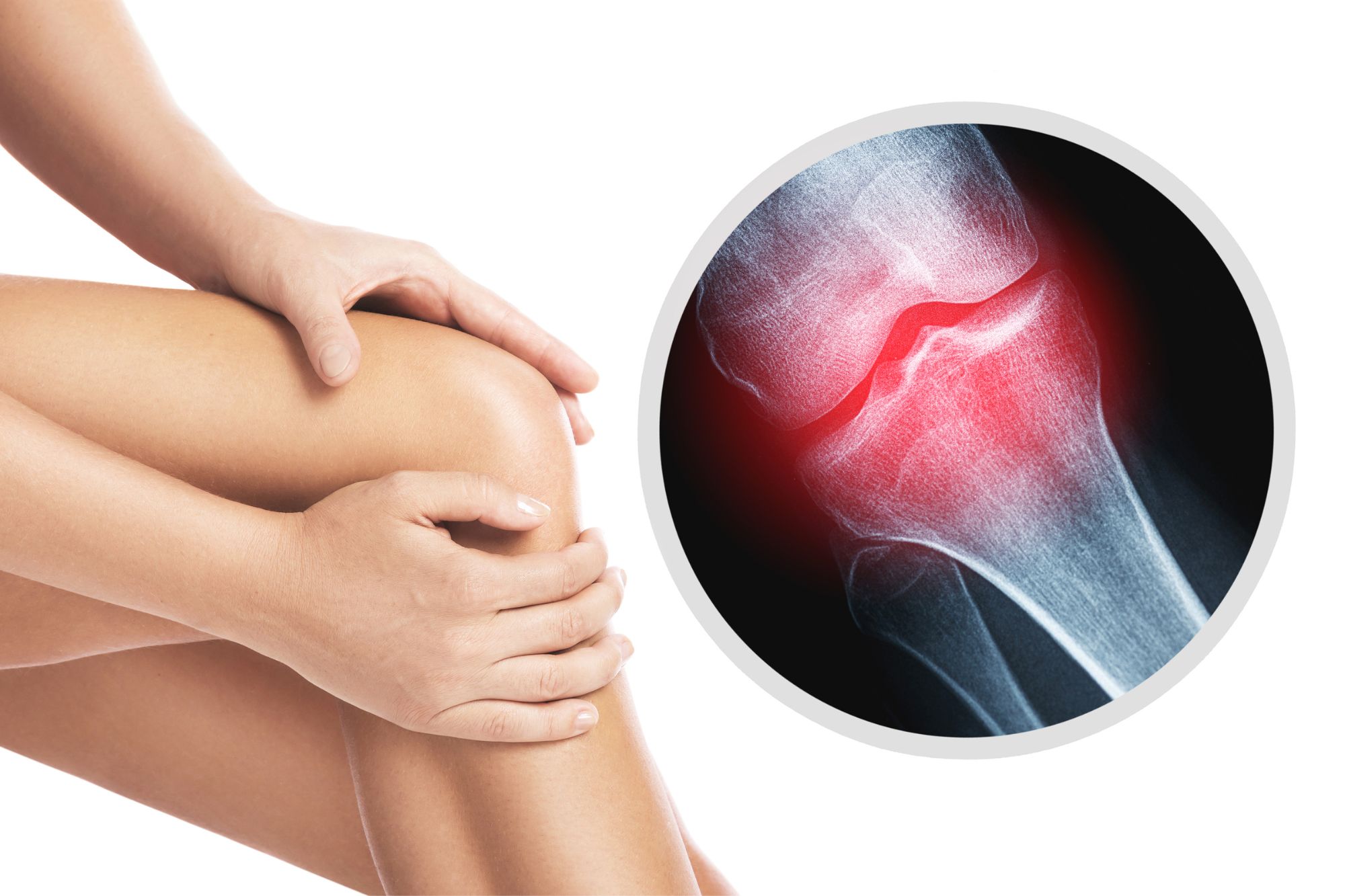
Knee osteoarthritis is a common condition, particularly among older adults. It is a degenerative disease in which the articular cartilage—the smooth, cushioning tissue that protects the bones within the knee joint—gradually wears down. As this deterioration progresses, it can lead to knee pain, joint stiffness, and difficulty moving the knee.
What Are the Main Symptoms?
The most common symptoms of knee osteoarthritis include:
- Pain in the knee
- Stiffness, especially in the morning or after periods of inactivity
- Swelling (edema) around the joint
- Reduced range of motion, particularly when bending or fully extending the knee
- Grinding sensations or clicking sounds during movement
How Is It Diagnosed?
Diagnosis is based on:
- Clinical examination by an orthopedic specialist or physiotherapist
- Imaging tests, such as X-rays or MRI scans
- Medical history assessment, evaluating factors such as age, body weight, previous joint injuries, and other relevant conditions
The Role of Physiotherapy in Treatment
Physiotherapy plays a key role in managing knee osteoarthritis, with primary goals that include:
- Reducing pain
- Improving joint mobility
- Strengthening the muscles surrounding the knee joint
- Preventing further joint deterioration
Common Physiotherapy Interventions:
- Therapeutic exercises to strengthen and stabilize the joint
- Stretching exercises to enhance flexibility and reduce stiffness
- Physical modalities such as electrical stimulation or high-intensity magnetic shockwave therapy to relieve pain and improve local blood circulation
In Conclusion
Early diagnosis combined with targeted physiotherapy significantly enhances recovery and mobility in individuals with knee osteoarthritis. Seek a personalized evaluation and tailored treatment plan to improve your quality of life and maintain an active, pain-free lifestyle.
References
- Hunter DJ, Bierma-Zeinstra S. Lancet. 2019 Apr 27;393(10182):1745-1759. DOI: 10.1016/S0140-6736(19)30417-9.
- National Institute for Health and Care Excellence (NICE) – Guideline [NG226] (2022): Osteoarthritis in over 16s: diagnosis and management https://www.nice.org.uk/guidance/ng226
- Kolasinski SL, et al. 2020 American College of Rheumatology Guideline for the Management of Osteoarthritis of the Hand, Hip, and Knee. Arthritis Care Res (Hoboken). 2020 Jul;72(2):149–162. DOI: 10.1002/acr.2413.
- Fransen M, McConnell S. Exercise for osteoarthritis of the knee. Cochrane Database Syst Rev. 2015 Jan 9;(1):CD004376. DOI: 10.1002/14651858.CD004376.pub3.
Tsakmakis F. Apostolos
BSc (Hons) Physiotherapist